
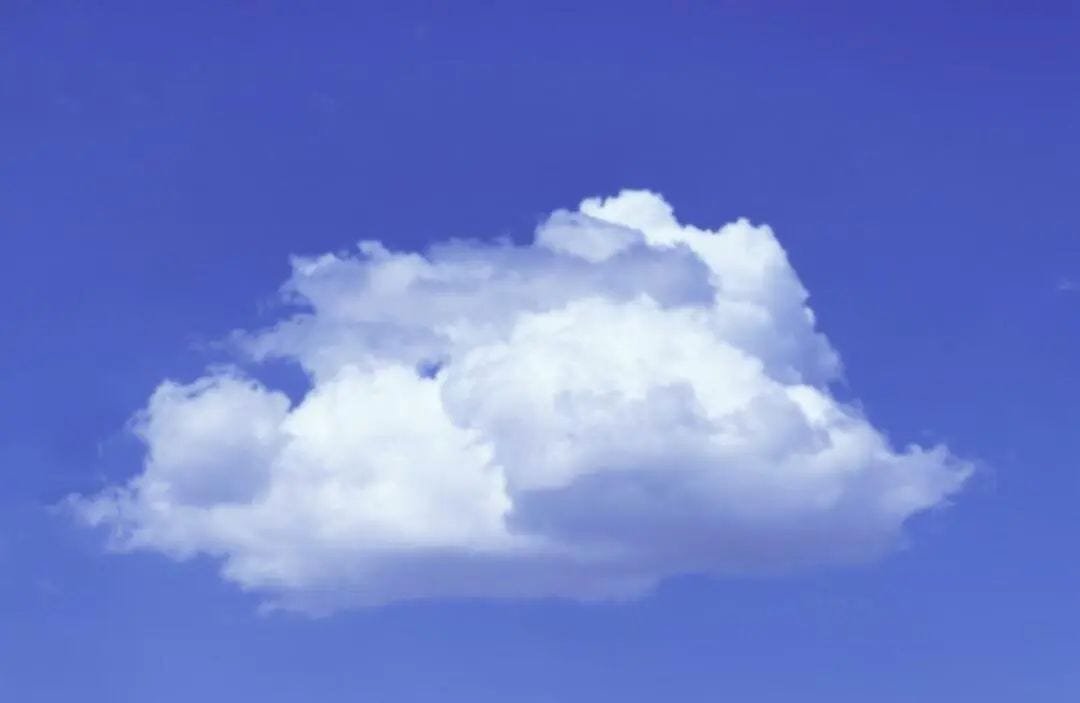
Clouds are made up of millions of tiny water droplets or ice crystals that are incredibly light. These droplets are so small that they can stay suspended in the air, almost like mist. They don’t fall straight down because the air around them is also moving, especially upward. Warm air rises from the Earth’s surface and helps carry these droplets with it, keeping the clouds afloat.
Even though clouds can hold a lot of water—sometimes hundreds of tons!—this water is spread out over a wide area. Since each droplet is tiny, gravity doesn’t pull them down all at once. It’s a balance between the upward push of warm air and the pull of gravity that keeps clouds floating above us.
Eventually, though, clouds do fall—just not all at once. When the water droplets in the cloud grow bigger and heavier (usually by merging with others), they become too heavy to stay in the air. That’s when they fall to the ground as rain, snow, or hail. So while clouds seem to float forever, they’re really just waiting for the right moment to come down.
